
What Do Homeowners Wish They Knew Before Building a Pool?
Before building a pool, homeowners often wish they had better understood the total project budget, construction timeline, maintenance requirements, and importance of planning the entire backyard. Pool placement, decking, drainage, shade, and future outdoor living features can significantly affect the finished space. Making these decisions early helps prevent expensive changes and creates a more enjoyable, functional backyard.
Building a custom swimming pool is an exciting opportunity to transform your backyard into a place for relaxation, entertainment, and family memories. However, many homeowners discover that the pool itself is only one part of creating the outdoor environment they’ve imagined.
At Texas Outdoor Oasis, we specialize in custom swimming pools and complete outdoor living spaces, helping homeowners bring together beautiful design and everyday functionality. Our team understands the importance of thoughtful planning, clear communication, and creating outdoor environments that reflect each homeowner’s lifestyle.
From choosing the right pool layout to considering future landscaping and entertainment areas, the decisions made before construction can influence how much you enjoy your backyard for years to come. Understanding these considerations helps you approach the pool-building process with confidence.
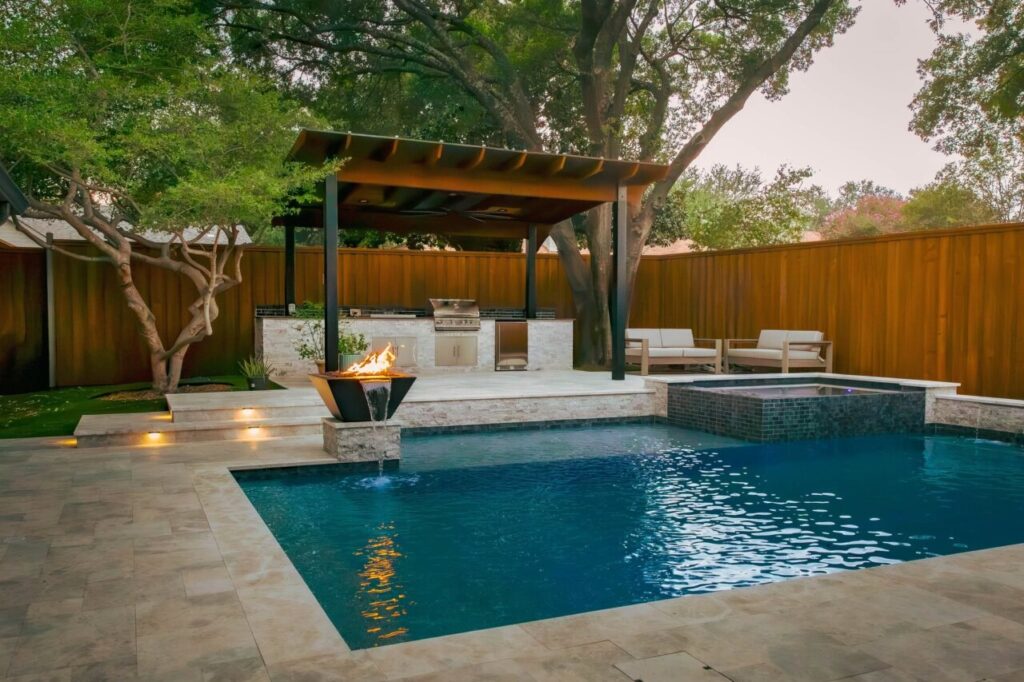
5 Things to Know Before Building a Custom Swimming Pool
The most successful pool projects begin with realistic expectations and a comprehensive plan. Here are five important considerations that homeowners should understand before construction begins.
1. What Does It Really Cost to Build a Swimming Pool?
The total investment in a custom swimming pool often includes much more than the pool structure itself.
While pool size, shape, and finishes affect the price, homeowners should also budget for surrounding improvements and site-specific construction requirements.
Common cost considerations include:
- Excavation and site preparation: Soil conditions, grading, and backyard accessibility can influence construction complexity.
- Pool materials and finishes: Tile, plaster, coping, and decorative features affect the overall investment.
- Decking and patios: Surrounding surfaces provide space for walking, lounging, and entertaining.
- Pool equipment: Pumps, filters, heaters, automation, and sanitation systems are essential components.
- Landscaping and drainage: These improvements help integrate the pool into the backyard.
- Additional amenities: Spas, tanning ledges, water features, and outdoor kitchens can increase project costs.
One mistake homeowners can avoid is establishing a budget for the pool without considering the entire outdoor space.
Discussing your overall vision with your pool builder early in the process helps establish priorities and identify which features should be included from the beginning.
2. How Long Does It Take to Build a Custom Pool?
Building a custom swimming pool generally requires several months from design through completion, although timelines vary considerably.
The complexity of the design, permitting requirements, weather conditions, inspections, and site accessibility can all influence the schedule.
The process typically includes:
- Design consultation: Discussing your goals, preferred features, and available backyard space.
- Design development: Finalizing the pool layout, materials, and surrounding outdoor features.
- Permitting: Obtaining necessary approvals before construction begins.
- Excavation and structural construction: Preparing the site and constructing the pool shell.
- Plumbing and electrical work: Installing equipment connections and operating systems.
- Finishing and decking: Completing tile, coping, pool finishes, and surrounding surfaces.
- Startup and final inspections: Preparing the pool for safe operation and use.
Homeowners should ask their builder about expected milestones and how unexpected delays will be communicated.
Understanding the construction process helps establish realistic expectations and makes the experience more manageable.
3. Why Is Pool Placement One of the Most Important Design Decisions?
Pool placement influences comfort, privacy, safety, accessibility, and the overall functionality of your backyard.
A pool that looks attractive on paper may not be the best fit if it limits patio space, creates awkward walkways, or leaves little room for future improvements.
Before selecting a location, consider:
- Sun exposure: How much sunlight will the pool receive throughout the day?
- Shade: Where will swimmers and guests relax away from direct sunlight?
- Privacy: Will neighboring homes overlook the swimming area?
- Access: How easily can family members move between the house, pool, and patio?
- Drainage: How will water move across the property?
- Future features: Will there be enough space for an outdoor kitchen, spa, or covered patio?
Safety should also be part of the initial planning process.
The Centers for Disease Control and Prevention recommends appropriate pool barriers and active adult supervision to help reduce drowning risks. Homeowners should also review applicable local safety requirements with their builder.
Planning the pool’s location as part of the entire backyard design can help avoid compromises that become difficult to correct after construction.
4. What Should Homeowners Know About Pool Maintenance?
Owning a swimming pool requires ongoing maintenance, and understanding those responsibilities before construction can help homeowners choose the right equipment and features.
Routine pool care generally involves checking water chemistry, maintaining filtration equipment, cleaning surfaces, and monitoring water levels.
Maintenance needs depend on several factors:
- Pool size and water volume
- Surrounding trees and landscaping
- Filtration and sanitation equipment
- Frequency of use
- Weather and seasonal conditions
- Automation and cleaning systems
Energy efficiency is another important consideration.
According to the U.S. Department of Energy, variable-speed pool pumps can use substantially less energy than conventional single-speed pumps when properly selected and operated.
Investing in efficient equipment may help reduce long-term operating expenses.
Homeowners should also discuss equipment accessibility, cleaning requirements, and maintenance expectations before finalizing their pool design.
A beautiful pool should be enjoyable to own, not unnecessarily complicated to maintain.
5. Should You Plan Your Entire Backyard Before Building a Pool?
Yes. Designing the complete outdoor living space before pool construction can help create a more cohesive result and reduce costly modifications later.
Many homeowners begin with plans for a swimming pool and eventually realize they also want additional outdoor amenities.
These may include:
- Covered patios and pergolas
- Outdoor kitchens and dining areas
- Fire pits and fireplaces
- Landscape lighting
- Additional seating and lounge areas
- Privacy landscaping
- Walkways and garden features
Planning these elements together allows your builder to consider drainage, utilities, elevations, and traffic flow throughout the backyard.
For example, installing an outdoor kitchen after pool decking is complete could require modifications to finished surfaces or utility connections.
Even if you decide to complete your backyard in phases, having a long-term design can make future additions easier.
At Texas Outdoor Oasis, we believe the best outdoor spaces are thoughtfully planned as complete environments, with every feature contributing to the overall experience.
Frequently Asked Questions About Building a Pool
What is the first step before building a pool?
Start by identifying your goals, establishing a realistic budget, and evaluating your backyard space. Consulting a custom pool builder early can help determine which designs and features are appropriate for your property.
What is the biggest mistake homeowners make when building a pool?
One common mistake is planning only the pool without considering decking, landscaping, shade, drainage, and future outdoor living features. A comprehensive backyard plan can help prevent expensive changes later.
Is it better to build a pool and outdoor kitchen at the same time?
Planning both together is often beneficial because utilities, elevations, and construction access can be coordinated. Homeowners may still complete the features in phases if the overall design accounts for future installation.
How do I choose the right custom pool builder?
Look for a builder with relevant project experience, recent customer reviews, clear communication practices, and a detailed design and construction process. Ask to see completed projects and understand what is included in the proposal.
Start Planning Your Dream Pool With Texas Outdoor Oasis
Building a custom swimming pool is about more than adding water to your backyard. It’s about creating a space where your family can relax, entertain, and make lasting memories.
By understanding the budget, construction process, maintenance requirements, and importance of comprehensive backyard planning, you can make more informed decisions and avoid common surprises.
Texas Outdoor Oasis helps homeowners bring their outdoor living visions to life with custom pools, patios, outdoor kitchens, and beautifully coordinated landscapes.
Ready to build a backyard designed around your lifestyle? Contact Texas Outdoor Oasis today to start planning your custom swimming pool.